Understanding the Real Differences Between Ceramic Coating and PPF for Long-Term Vehicle Protection
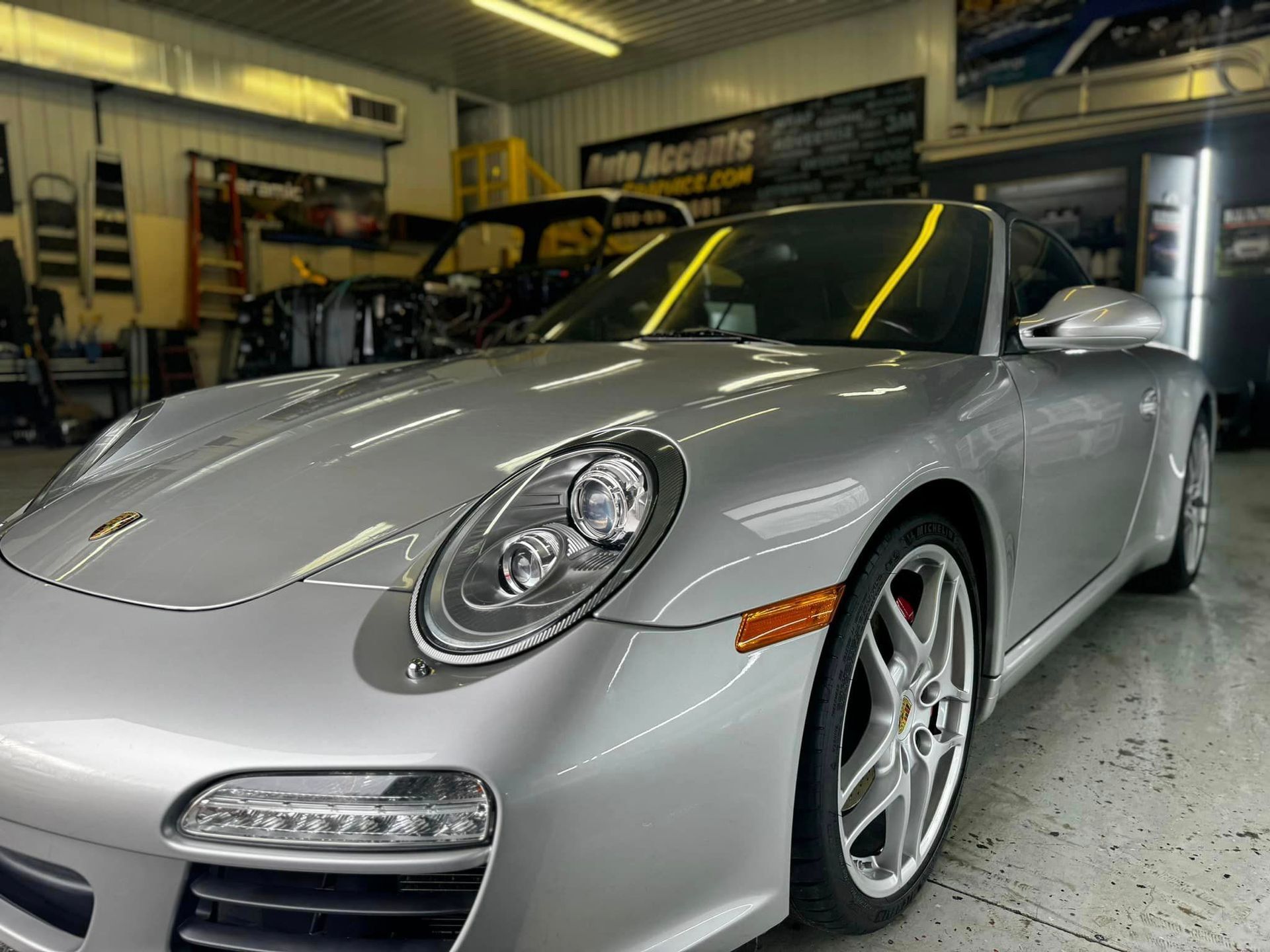
If you're searching for ceramic coating near me, PPF installation near me, or wondering whether ceramic coating or paint protection film is better for your vehicle, you're not alone.
Both ceramic coating and Paint Protection Film (PPF) are premium vehicle protection options — but they serve very different purposes. Understanding what each product actually does (and does not do) is critical before investing in paint protection.
This guide breaks down the differences, benefits, limitations, and ideal use cases of ceramic coating vs. PPF so you can make an informed decision.
What Is Ceramic Coating?
Ceramic coating is a liquid-applied protective layer that chemically bonds to your vehicle’s clear coat. It enhances gloss while adding hydrophobic and chemical-resistant properties.
Primary Benefits of Ceramic Coating:
- Long-term paint protection
- Extreme gloss and depth
- Hydrophobic (water-repelling) surface
- UV and oxidation resistance
- Easier cleaning and maintenance
- Resistance to environmental contamination
Ceramic coating is best known for enhancing appearance and simplifying maintenance.
However, it is important to understand its limitations.
What Is Paint Protection Film (PPF)?
Paint Protection Film (also known as clear bra) is a thick, transparent urethane film applied to painted surfaces. Unlike ceramic coating, PPF is a physical barrier.
Primary Benefits of PPF:
- Rock chip protection
- Scratch resistance
- Self-healing properties (on many films)
- Protection against road debris
- Impact absorption
- Preserves factory paint
PPF is specifically designed to protect against physical damage.
Ceramic Coating vs. PPF: Side-by-Side Comparison
FeatureCeramic CoatingPaint Protection Film (PPF)Rock Chip Protection❌ No✅ YesScratch ResistanceMinor swirl resistanceStrong protectionGloss EnhancementHigh gloss boostMaintains factory glossHydrophobic PropertiesExcellentModerate (can be enhanced with coating)ThicknessMicrons thin6–10+ mil thickImpact AbsorptionNoneYesMaintenance EaseVery easy to cleanEasy, but not hydrophobic by defaultCostLower than full PPFHigher investment
Common Myths About Ceramic Coating and PPF
Myth #1: Ceramic Coating Prevents Rock Chips
Reality:
Ceramic coating does not prevent rock chips. It is a thin protective layer, not a physical shield. If chip protection is your goal, PPF is the correct solution.
Myth #2: PPF Makes Your Car Maintenance-Free
Reality:
PPF protects against impact damage but still requires washing and care. It can stain if neglected and does not automatically repel water like ceramic coating.
Myth #3: You Have to Choose One or the Other
Reality:
Many vehicle owners combine both systems for maximum protection. PPF protects high-impact areas, while ceramic coating enhances gloss and hydrophobic performance.
When to Choose Ceramic Coating
Ceramic coating is ideal if:
- You want enhanced gloss and depth
- You want easier maintenance
- You’re focused on chemical and UV protection
- You want long-term protection without installing film
- You want protection against road salt and environmental fallout
It is especially beneficial in climates with harsh winters, heavy sun exposure, or high contamination levels.
When to Choose Paint Protection Film (PPF)
PPF is ideal if:
- You drive frequently on highways
- You want rock chip protection
- You own a performance or luxury vehicle
- You want to preserve factory paint condition
- You plan to keep the vehicle long-term
High-impact areas that commonly receive PPF include:
- Front bumper
- Hood
- Fenders
- Side mirrors
- Rocker panels
- Door edges
The Best of Both Worlds: Combining Ceramic Coating and PPF
For maximum vehicle protection, many owners combine both systems.
Why Combine Them?
- PPF protects against impact damage
- Ceramic coating adds gloss and hydrophobic performance
- Ceramic coating can be applied over PPF
- Cleaning becomes easier
- Long-term maintenance improves
This layered protection approach is often recommended for high-end vehicles, sports cars, trucks exposed to road debris, and anyone serious about preserving their paint investment.
Which Is Better for Michigan Driving Conditions?
In areas with:
- Road salt
- Gravel roads
- Highway debris
- Snow and ice
- Strong summer sun
Both systems offer value — but for different reasons.
If rock chips are your biggest concern, PPF is the superior choice.
If gloss, ease of cleaning, and chemical resistance matter most, ceramic coating is ideal.
If you want comprehensive protection, combining both delivers the highest level of defense.
Cost Considerations
Ceramic coating typically costs less than full vehicle PPF coverage because it is less material-intensive and requires no film application.
PPF requires precision installation and thicker material, which increases investment.
However, long-term paint preservation can help maintain resale value and reduce repaint costs.
Final Thoughts: It’s Not About “Better” — It’s About Purpose
Ceramic coating and Paint Protection Film serve different purposes:
- Ceramic coating enhances and protects.
- PPF shields and absorbs impact.
Choosing the right solution depends on your driving habits, environment, budget, and expectations.
Understanding the real differences — rather than relying on marketing claims — ensures you invest in the right protection for your vehicle.